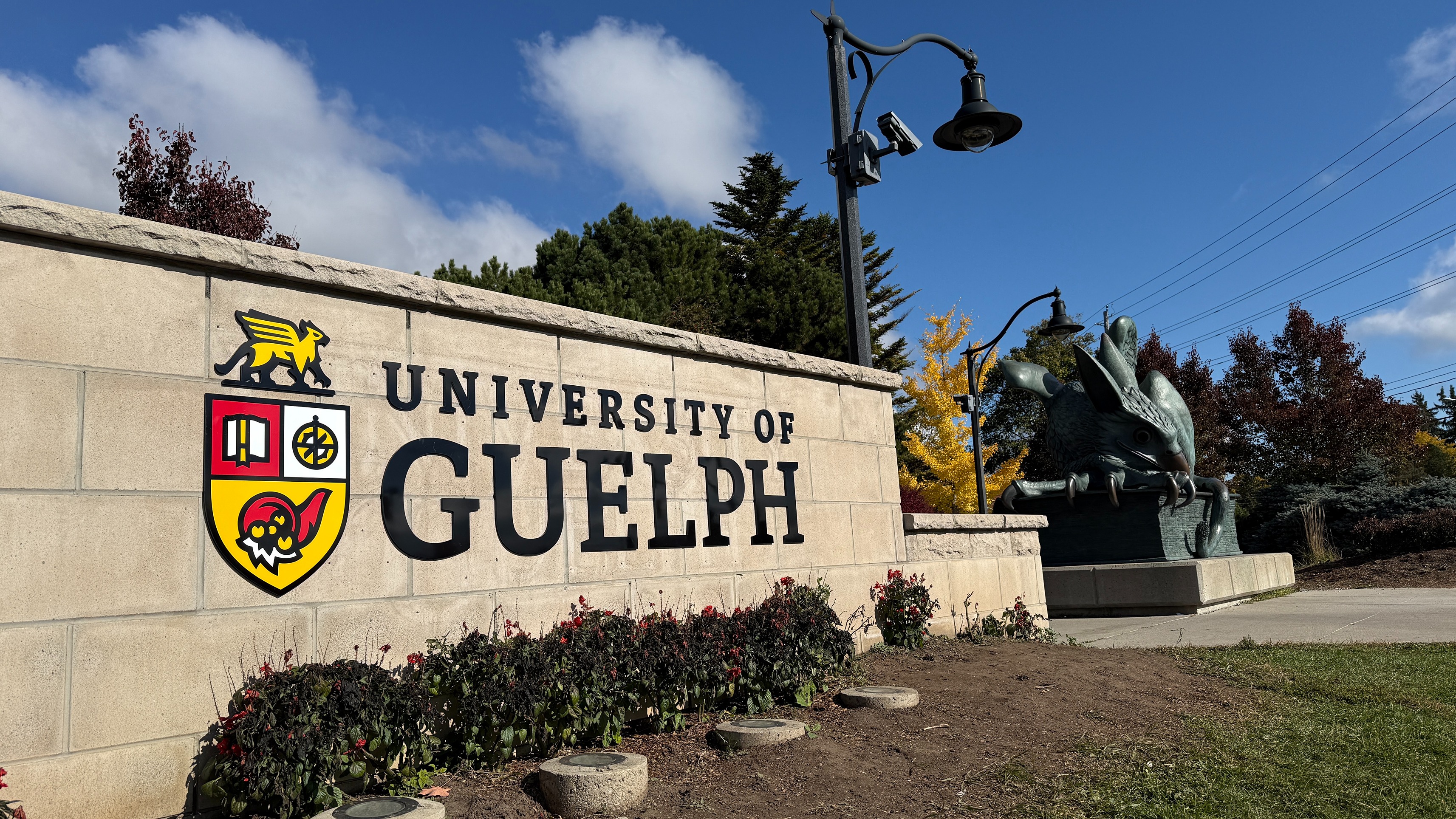
Students in the Royal City are pushing to have their voices heard, with a walkout scheduled at the local institution to protest the province’s changes to the Ontario Student Assistance Program (OSAP), which they say have imposed “unavoidable payments” on students across the province.
The funding through OSAP was drastically changed back in February, when the provincial government stated that there was an increased demand for higher-cost programs, changing the framework for its program as a result.
“It is more important than ever that we manage Ontario’s finances responsibly, to build a more resilient and self-reliant economy to secure long-term prosperity,” said Peter Bethlenfalvy, Minister of Finance, during the initial announcement in February, later calling post-secondary education “one of Ontario’s most important long-term investments.”
In the past, students were permitted to receive a maximum of 85 per cent of their allotted funding as non-repayable grants and a minimum of 15 per cent as loans.
Now, after those changes were put into effect, that has shifted to a maximum of 25 per cent in the form of grants and a minimum of 75 per cent in loans.
“For University of Guelph students relying on OSAP, this means a loss of $23.5 million in grants and an additional $23.4 million in loans across campus next year, and the average OSAP recipient will graduate with around $27,060 in debt accumulated over a four-year degree,” said Nate Broughton, President of the Central Student Association (CSA) at the University of Guelph.
“Crucially, these loans accumulate interest, meaning the dramatic shift from grants to debt will significantly extend repayment periods and force students to pay back substantially more than they borrowed.”
It comes as the province continues to face criticism around its handling of OSAP in other areas, specifically its recent freeze of OSAP payments across private post-secondary institutions after it “began receiving an increasing number of complaints about the growing volume of OSAP applications at private career colleges.”
“The Ford government cited rising OSAP costs to justify giving students at private and public colleges and universities less provincial OSAP support in grants and more in loans they need to repay with interest,” said the Ontario Secondary School Teachers’ Federation (OSSTF).
“At every turn, students are paying the price for this government’s mishandling of post-secondary education.”
Broughton said the new OSAP model, paired with a 2 per cent annual tuition increase, will “make education more expensive and less accessible for the very students it claims to support,” even if the province injects one-time boosts for operating budgets at certain institutions.
“Students have fought for years to reverse the chronic underfunding our campuses have experienced,” Broughton stated.
“That stability can protect program quality and add the high-demand seats we desperately need, yet every dollar is paired with a policy that pushes the cost onto students.”
In light of those changes, the CSA for the local institution has organized a student walkout, alongside several other colleges and universities across the province, hoping to send a message to the provincial government.
In a post on social media, CSA said it would be pushing students to “say no” to financial aid cuts, higher tuition, and increased student debt.
That walkout is currently scheduled for Thursday, Nov. 5, with students invited to attend Branion Plaza at 12 p.m.